A few days ago, one of our customers sent us a message.
"I read that elevated dog bowls increase the risk of bloat. Should I avoid buying one?"
Along with the message was a screenshot of a research paper that gets shared quite often online.
It's a great question.
And honestly, if you search on Google, you'll probably come away even more confused.
Some websites say elevated bowls are dangerous.
Others say they're essential.
So what's actually true?
Let's break it down in simple terms.
First of all, what is GDV (Bloat)?
GDV stands for Gastric Dilatation-Volvulus.
It's a serious condition where a dog's stomach fills with gas and, in some cases, twists on itself.
When that happens, it becomes a medical emergency and requires immediate veterinary treatment.
The important thing to know is that GDV mainly affects large and giant breed dogs.
Breeds like:
- Great Danes
- German Shepherds
- Saint Bernards
- Irish Wolfhounds
- Weimaraners
- Standard Poodles
are considered much more prone than smaller breeds.
So where did this confusion about elevated bowls come from?
Most articles on the internet refer to a study published by researchers at Purdue University in 2000.
The study observed several large and giant breed dogs and found that dogs using raised food bowls appeared to develop GDV more often.
Because of this, many websites simplified the conclusion into one sentence:
"Elevated bowls cause bloat."
But that's not exactly what the research proved.
The study found an association - not proof of cause
This is an important difference.
The study observed what happened in real life.
It did not randomly assign thousands of dogs to eat from different bowl heights and then measure the results.
That means the study showed a possible association, but it could not prove that elevated bowls themselves were the reason.
Many other factors affect GDV, including:
- Breed
- Genetics
- Chest shape
- Age
- Eating speed
- Family history
- Stress
- Meal size
Because of this, it's difficult to isolate one single cause.
So what happened after the Purdue study?
Naturally, veterinarians wanted to know whether those findings could be repeated.
In 2012, Dr. Marko Pipan and colleagues at the University of Pennsylvania conducted another large study involving more than 2,500 privately owned dogs to evaluate different risk factors for GDV.
Interestingly, they did not find feeder height to be a significant risk factor for GDV.
This is one of the main reasons why the conversation around elevated feeders became more balanced.
Rather than concluding that elevated bowls definitely cause bloat, researchers began recognizing that GDV is a complex, multifactorial disease.
Factors that consistently appear across studies include:
- Breed (especially large and giant breeds)
- Genetics and family history
- Increasing age
- Chest shape
- Eating speed
- Individual temperament
Feeder height, on the other hand, has produced conflicting results across studies.
So why do some websites still say elevated bowls cause bloat?
Because many articles only reference the 2000 Purdue study, which found an association between raised feeders and GDV in certain large and giant breeds.
However, later research—including the 2012 Pipan study—did not find the same relationship.
A 2017 evidence review looked at both studies and concluded that the available evidence is conflicting. It noted that only two studies directly addressed feeder height, and they reached different conclusions.
So... should you avoid elevated bowls?
For most healthy dogs, there isn't strong evidence to panic about using an elevated bowl.
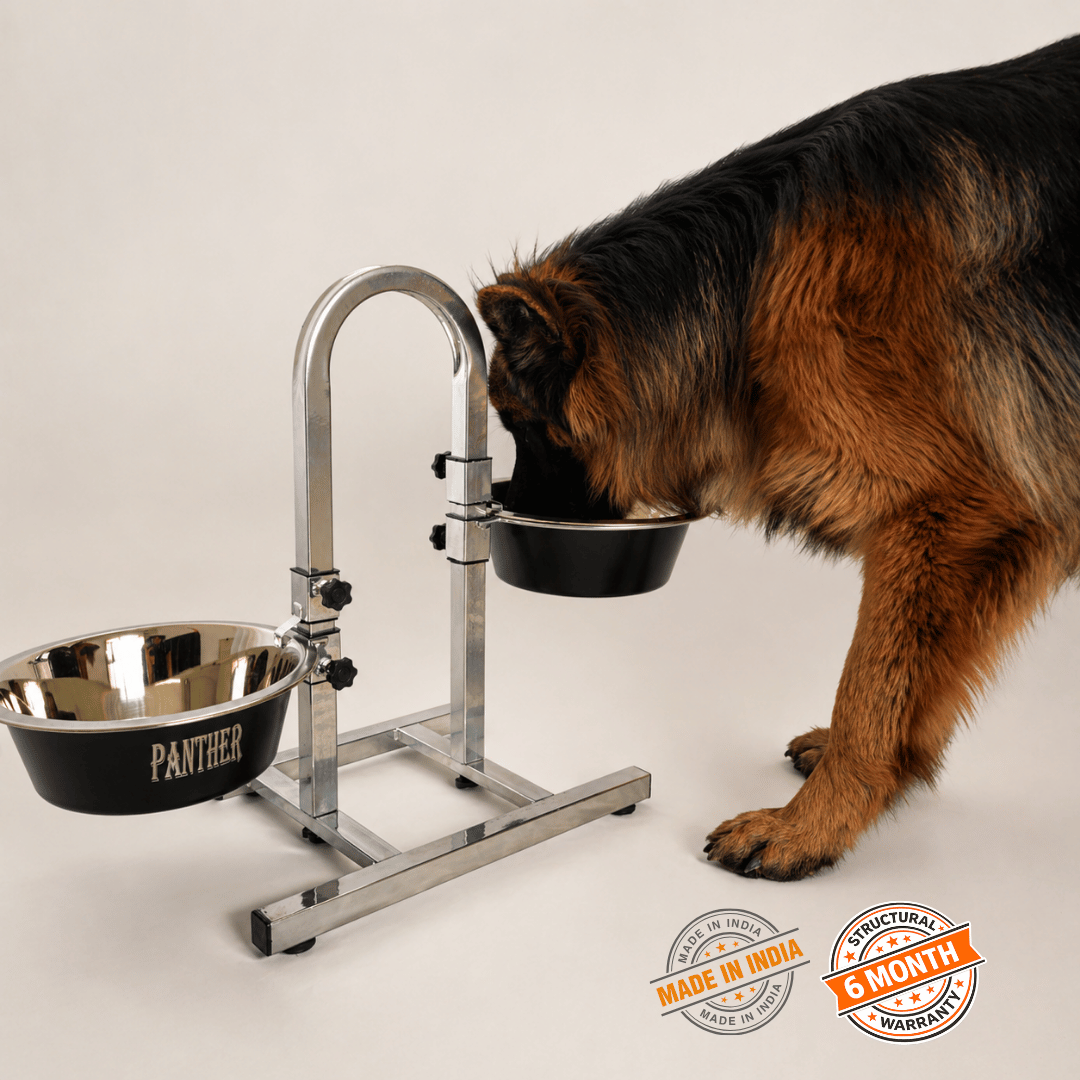
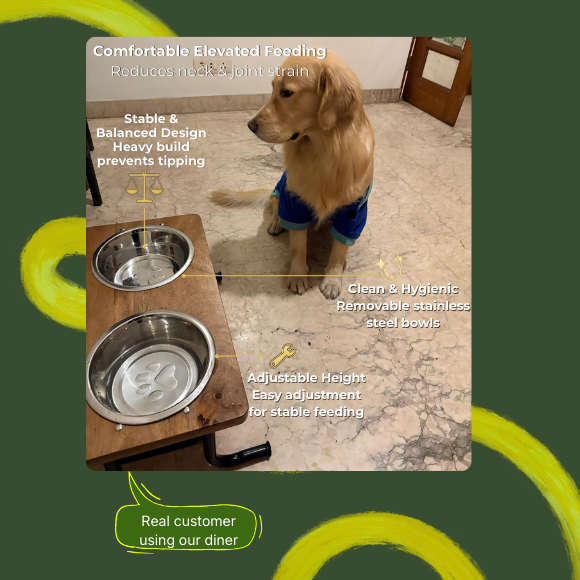
Most pet parents choose elevated feeders because they help with everyday convenience:
- Less bending for taller dogs
- Cleaner feeding area
- Less food and water spilling around the house
- More comfortable feeding position for many dogs
If your dog has a history of GDV or belongs to a breed that's considered high-risk, it's always best to discuss feeding habits with your veterinarian.
Every dog is different.
Our take at CanineJoy Gears
We don't believe in making health claims that aren't backed by strong evidence.
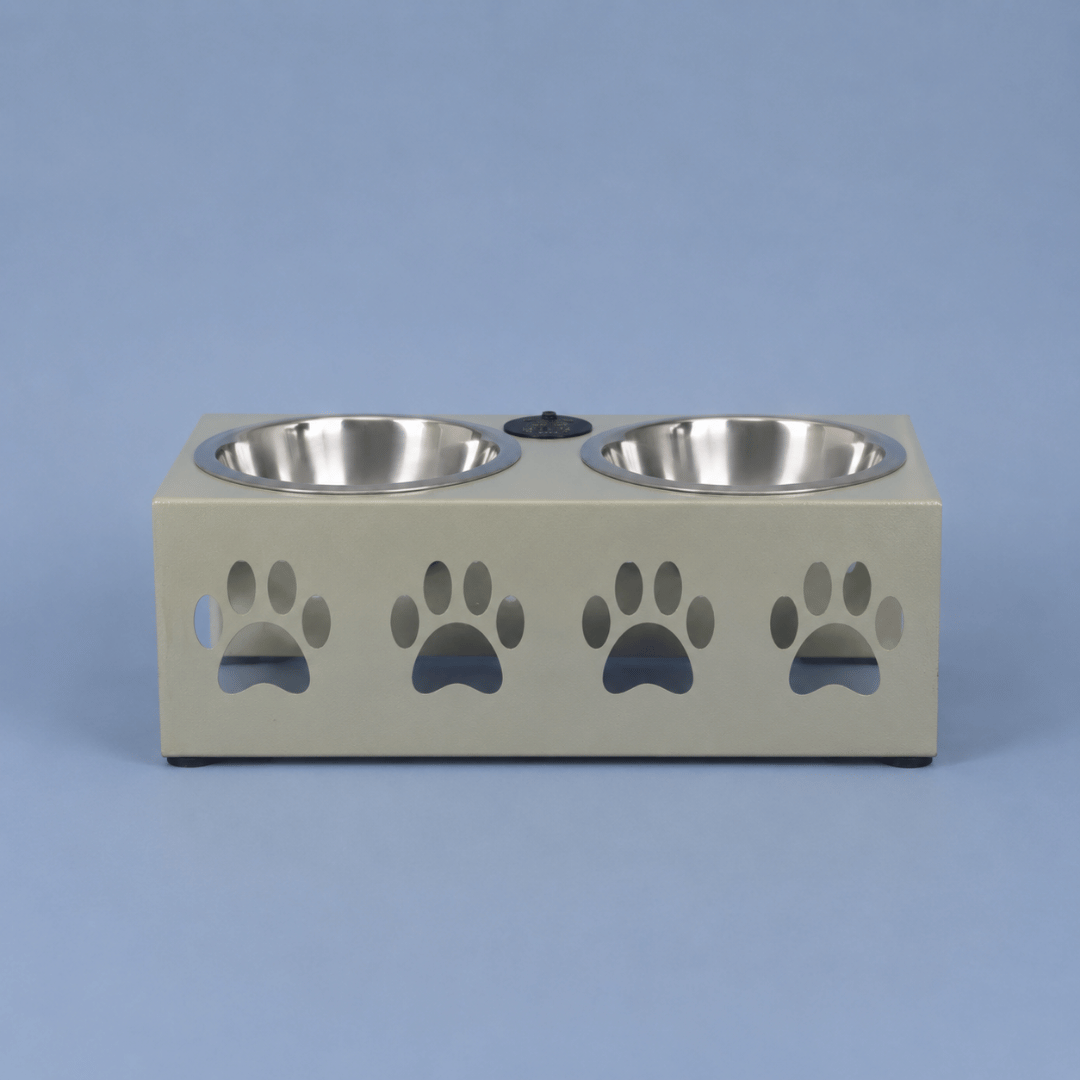
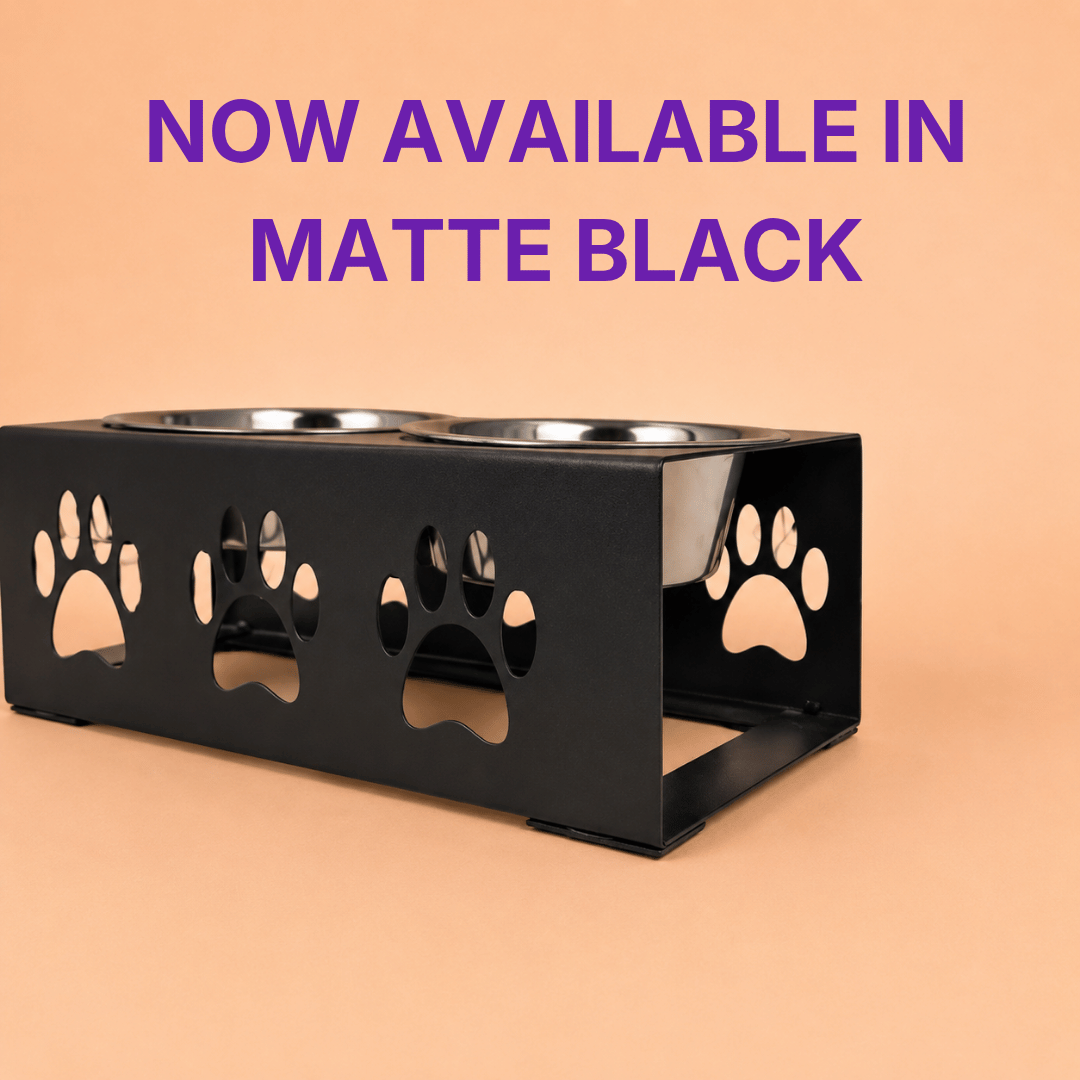
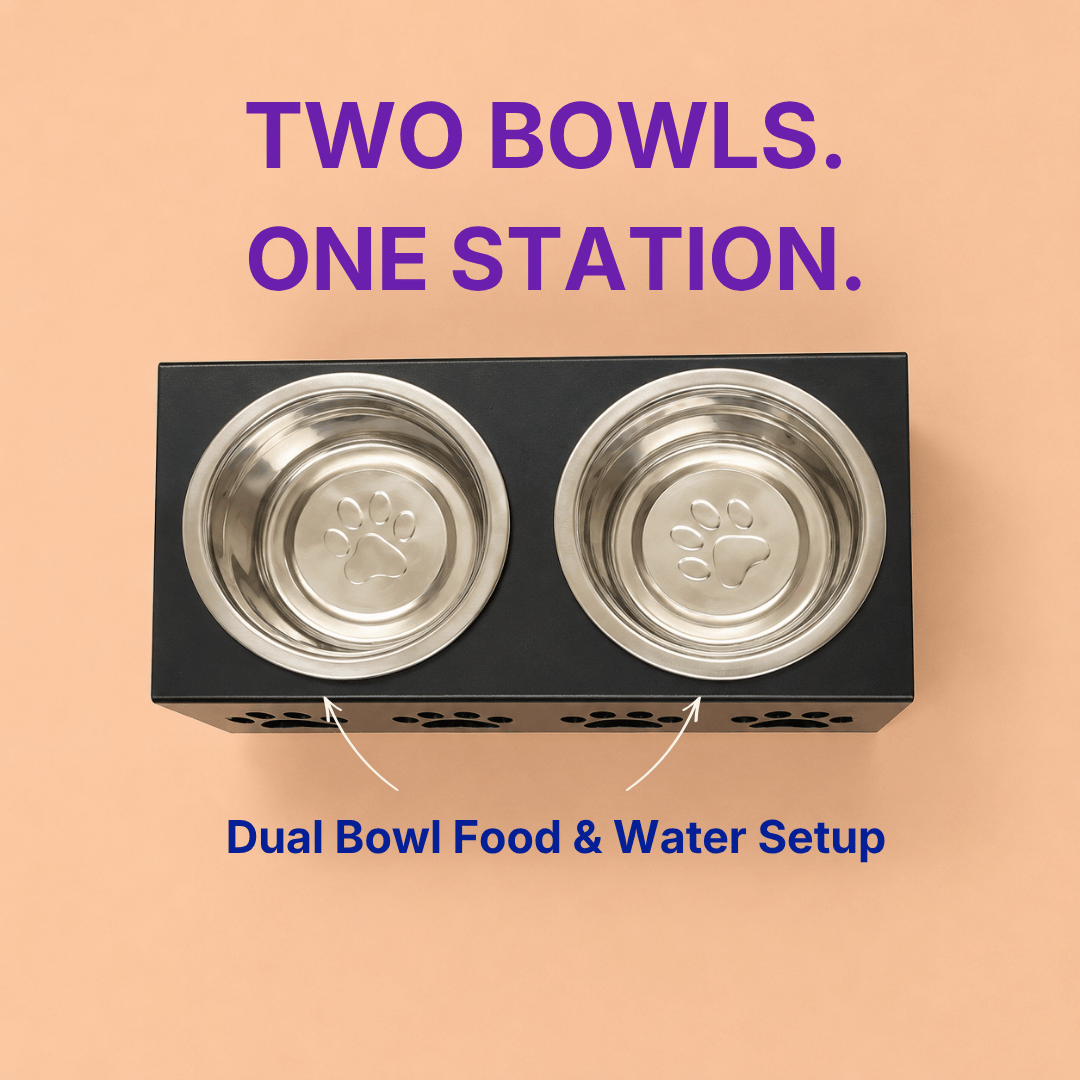
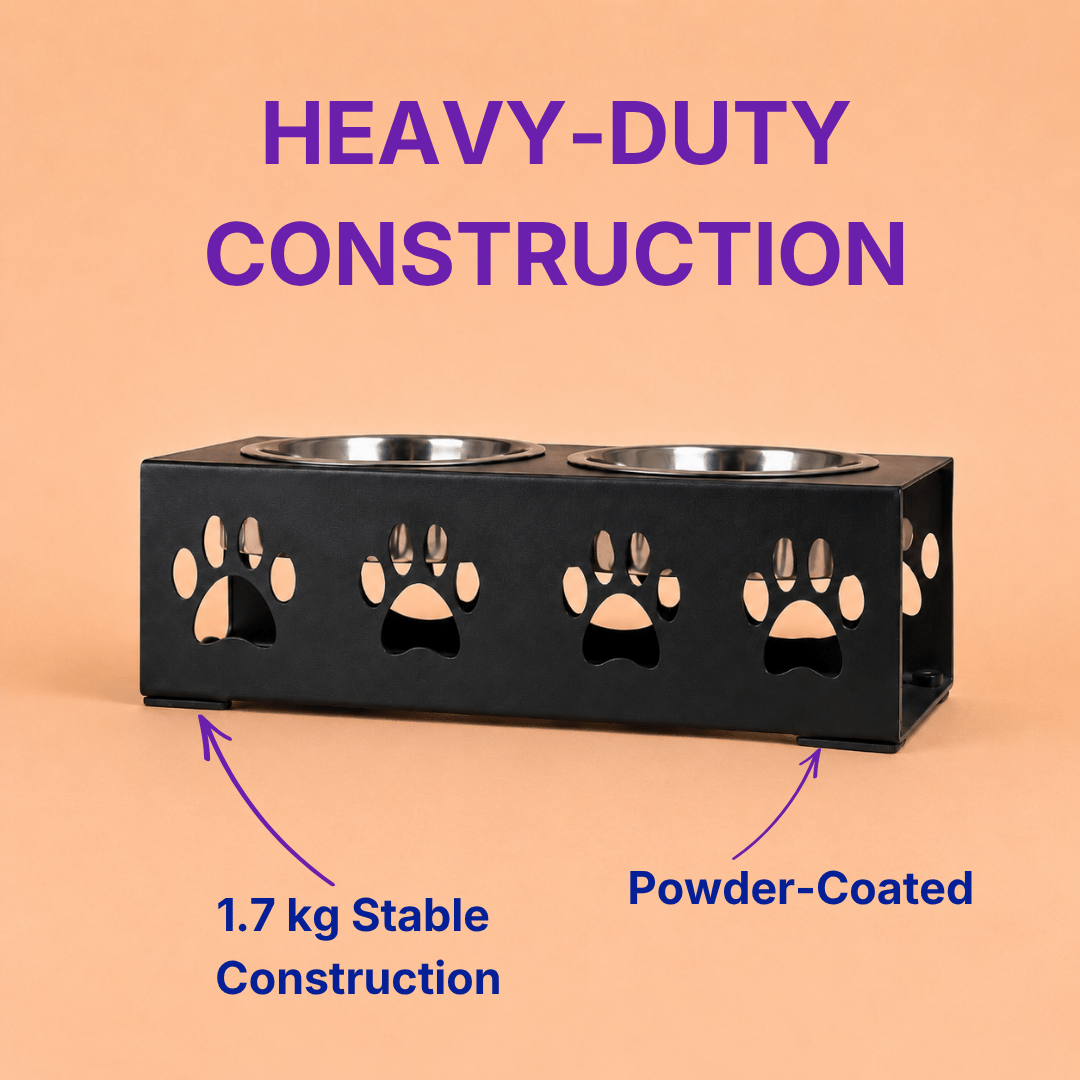
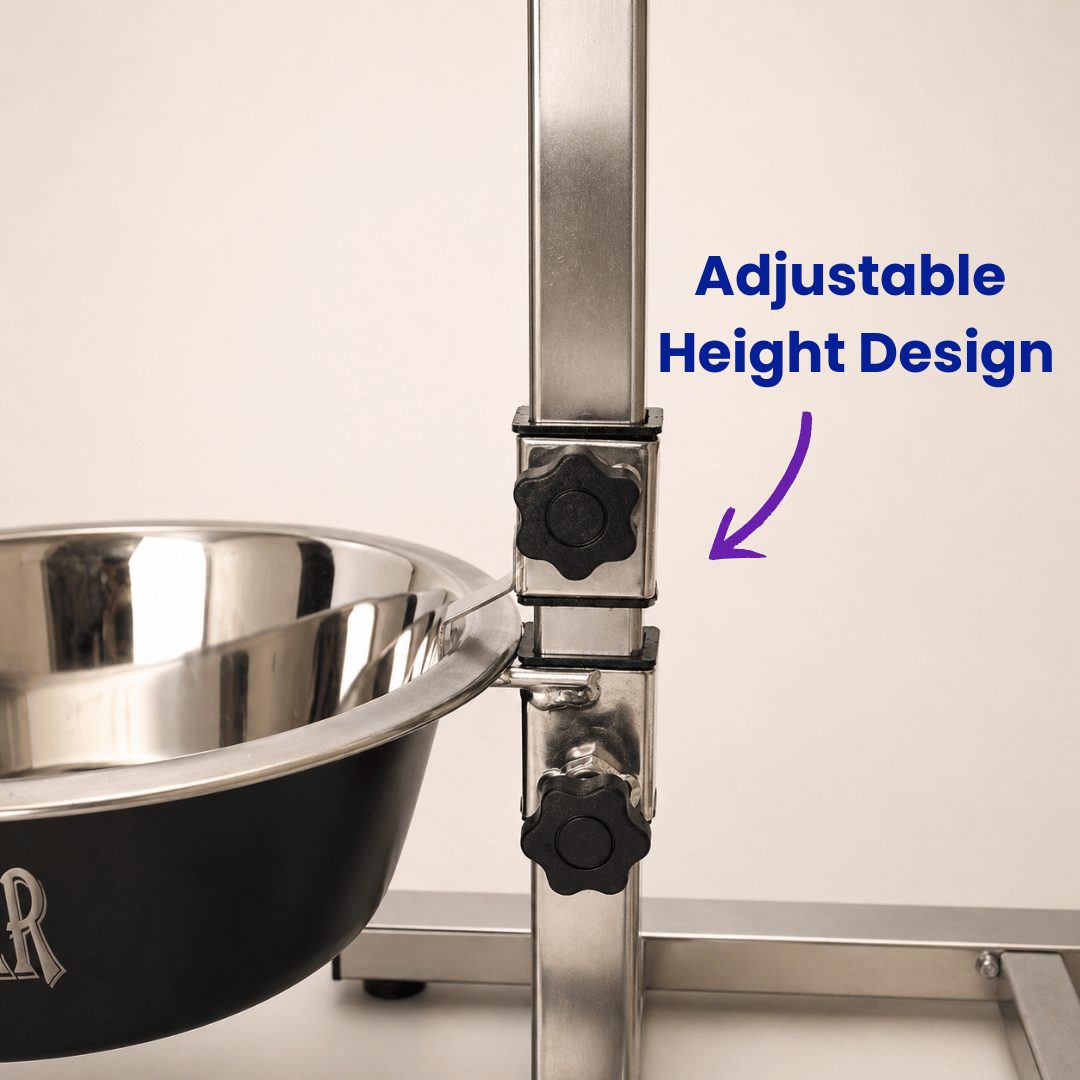
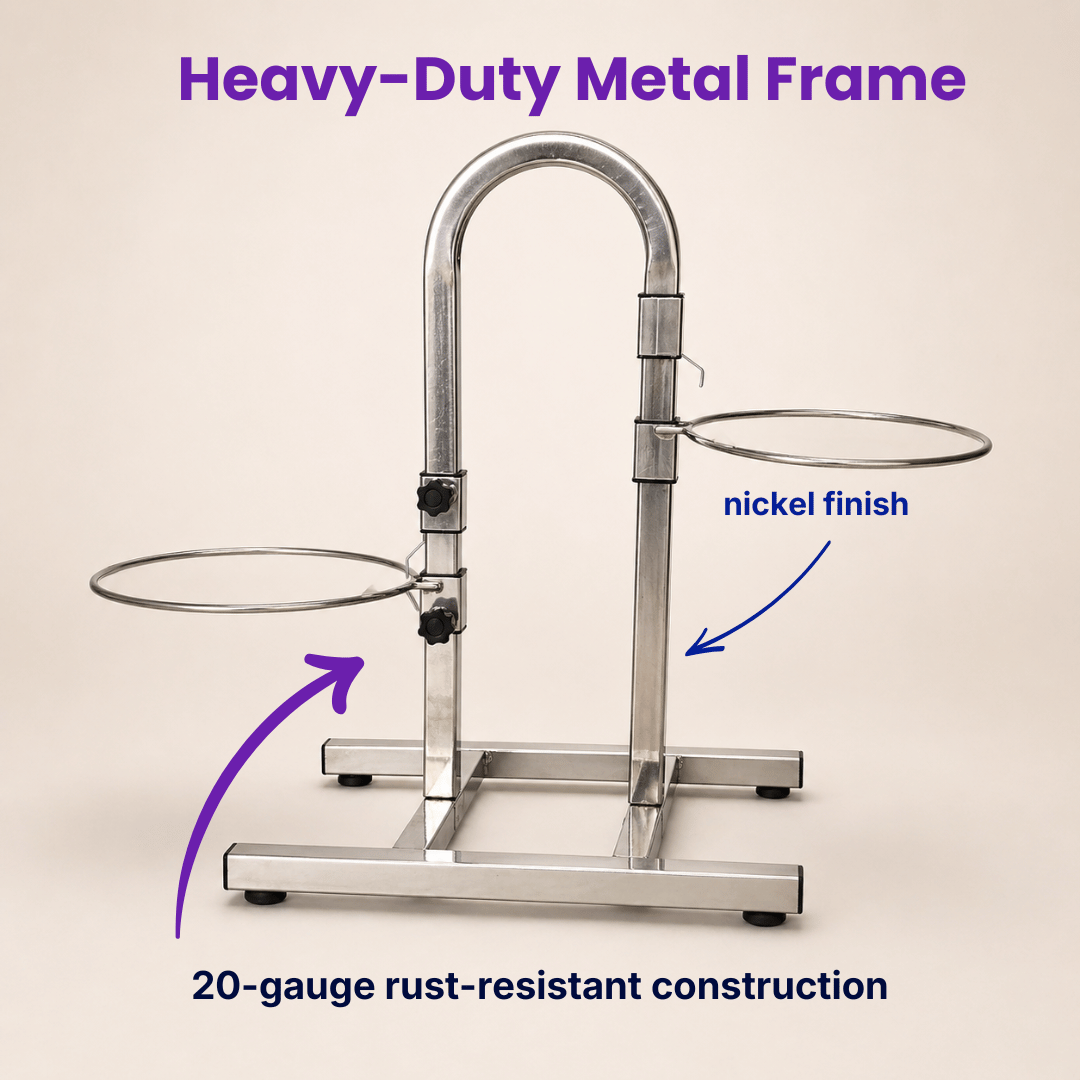
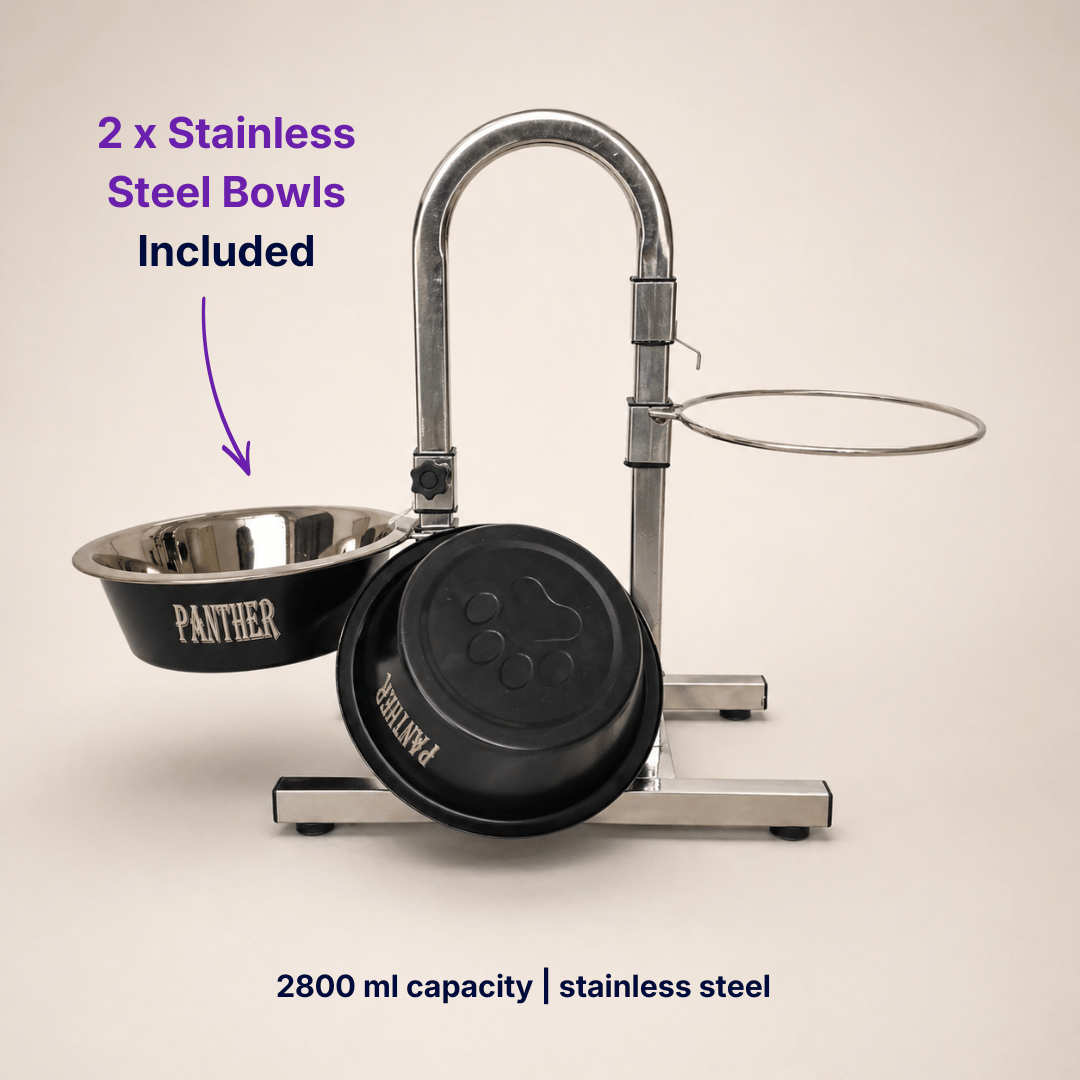
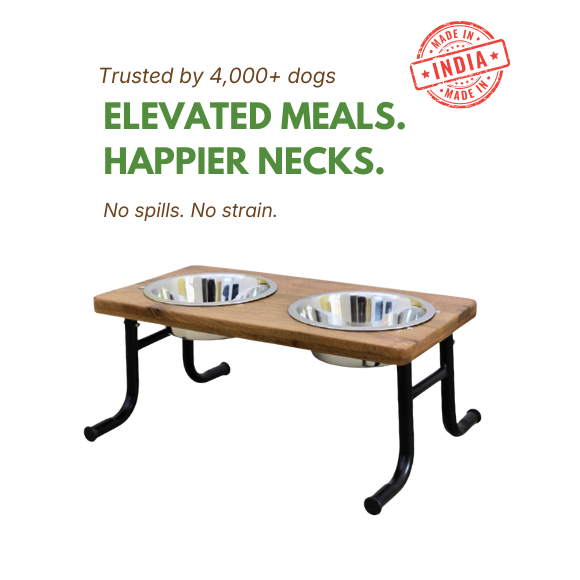
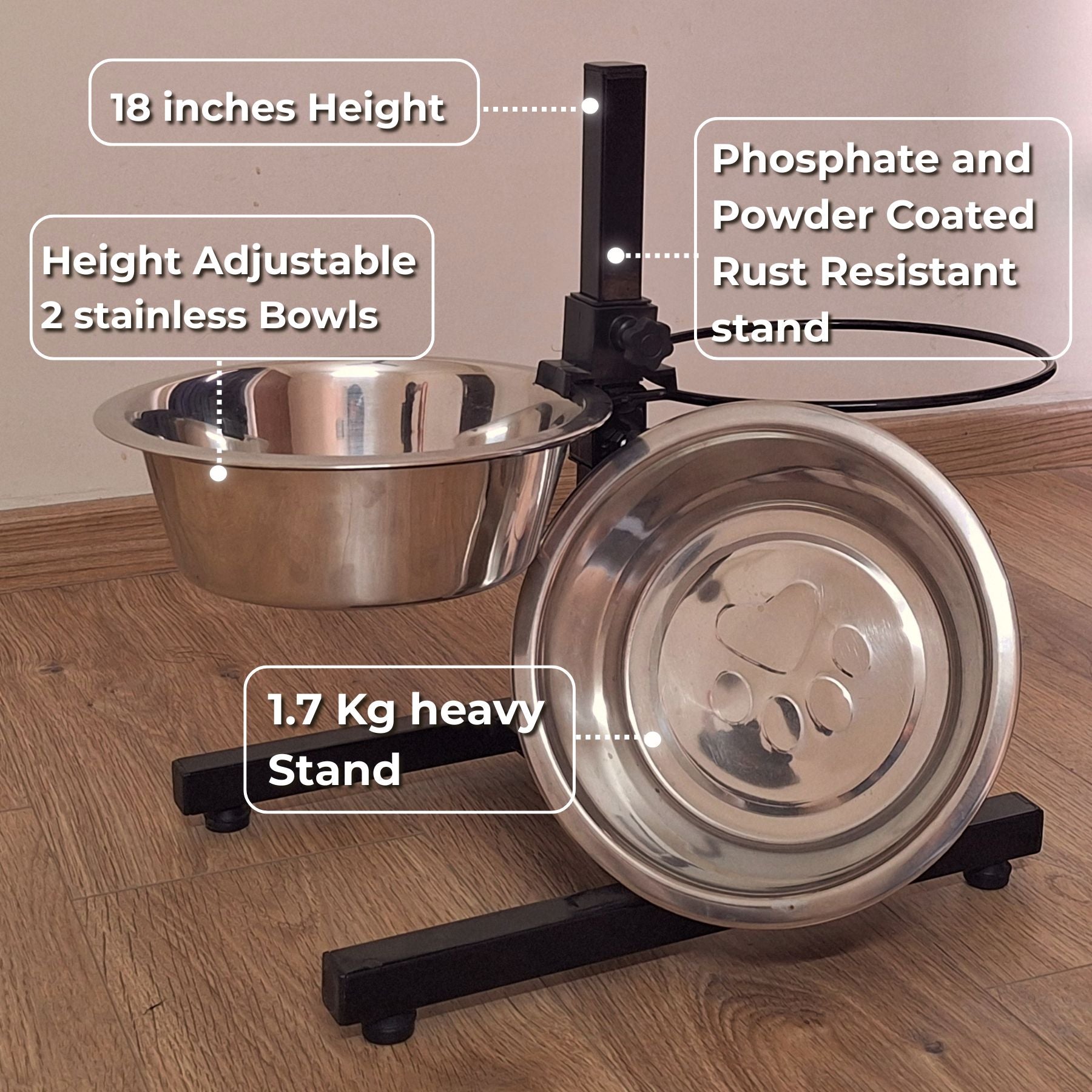
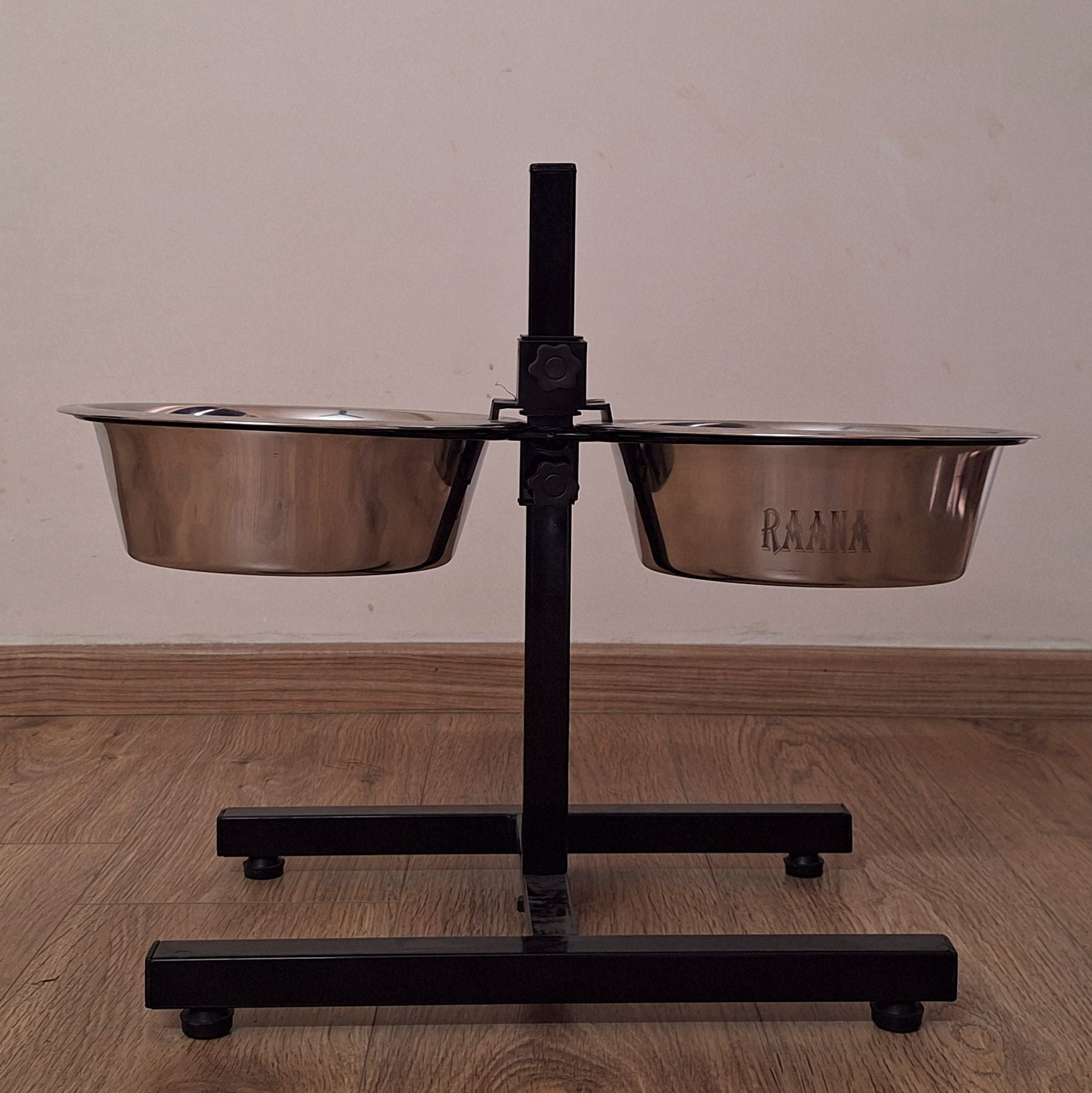
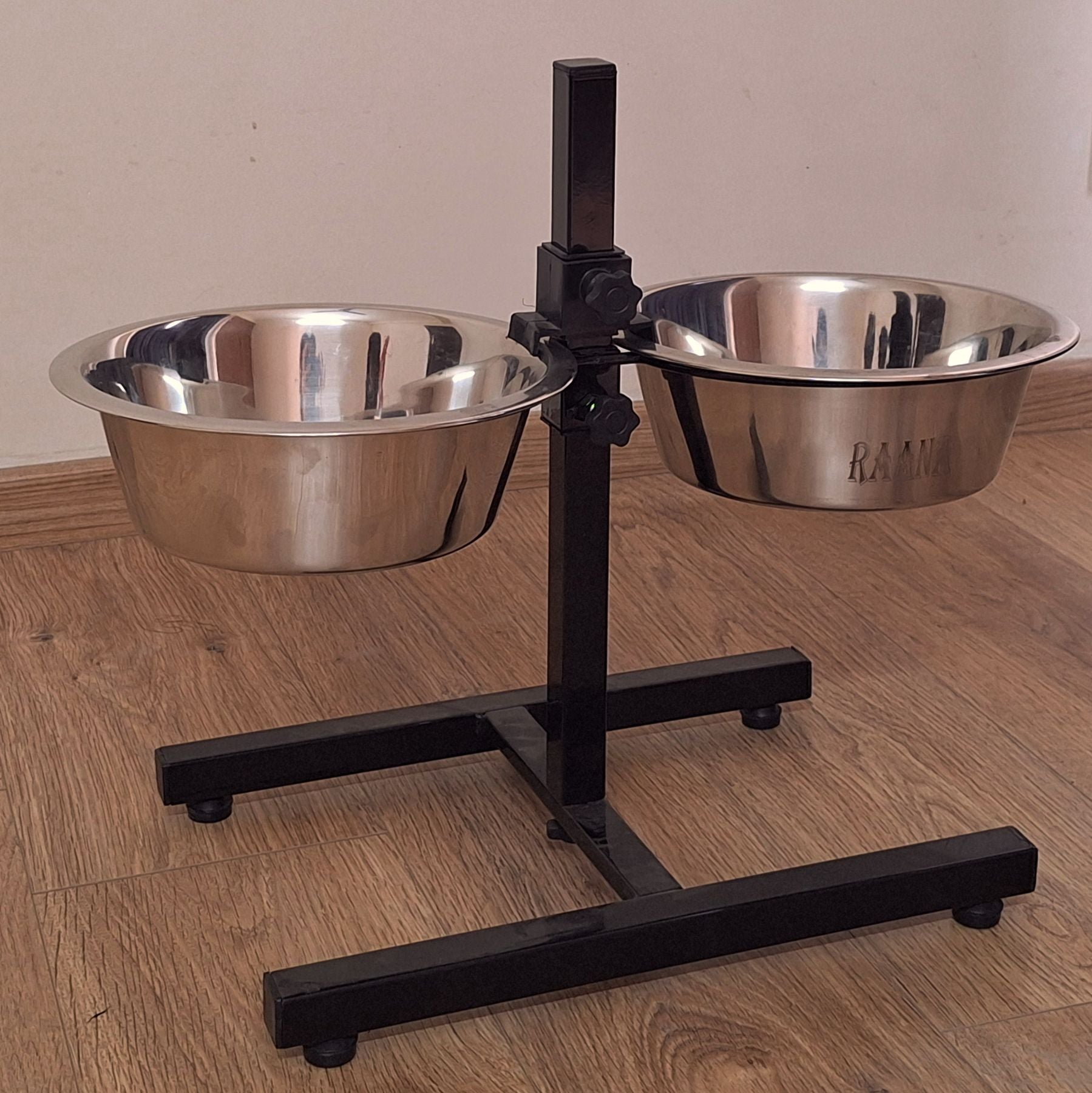
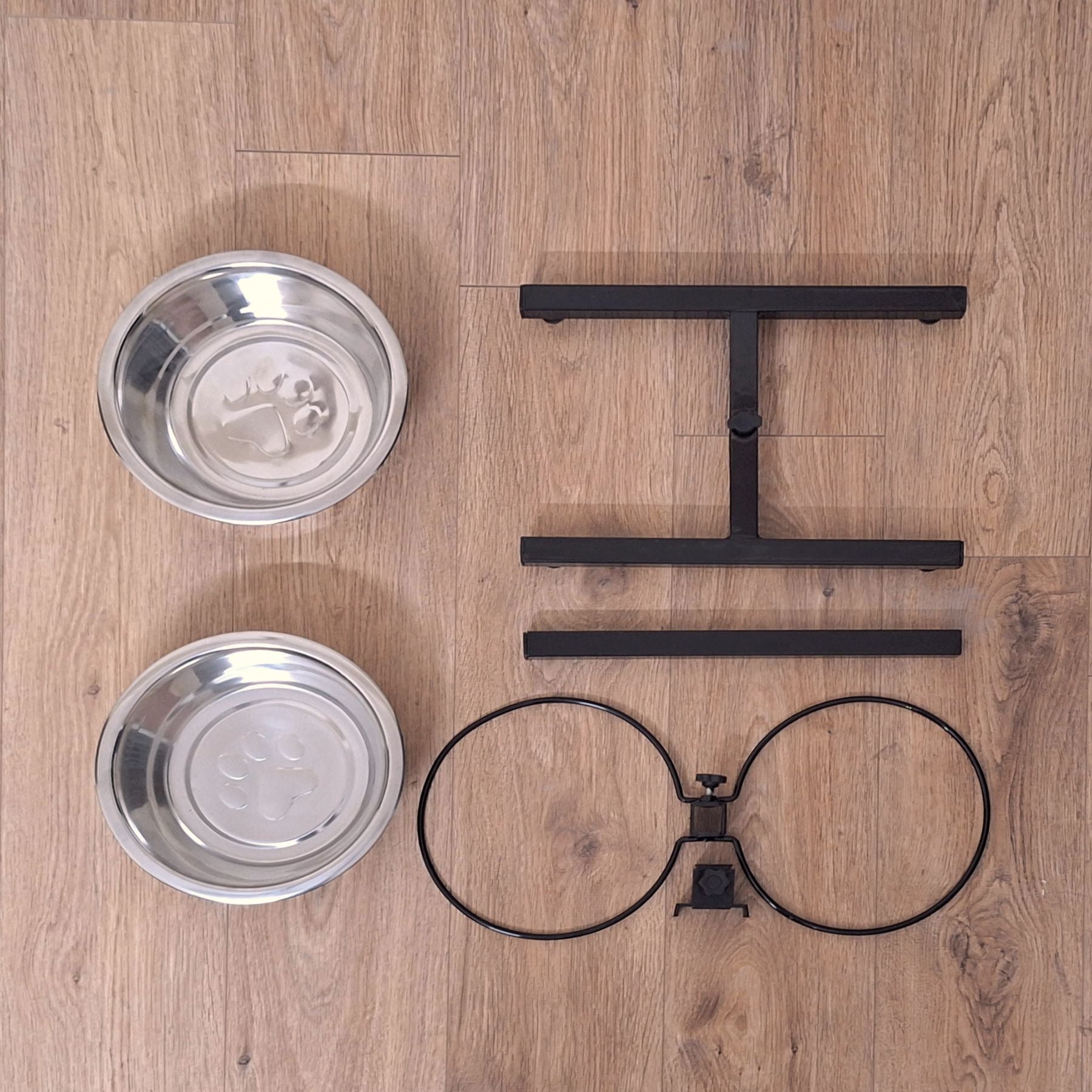
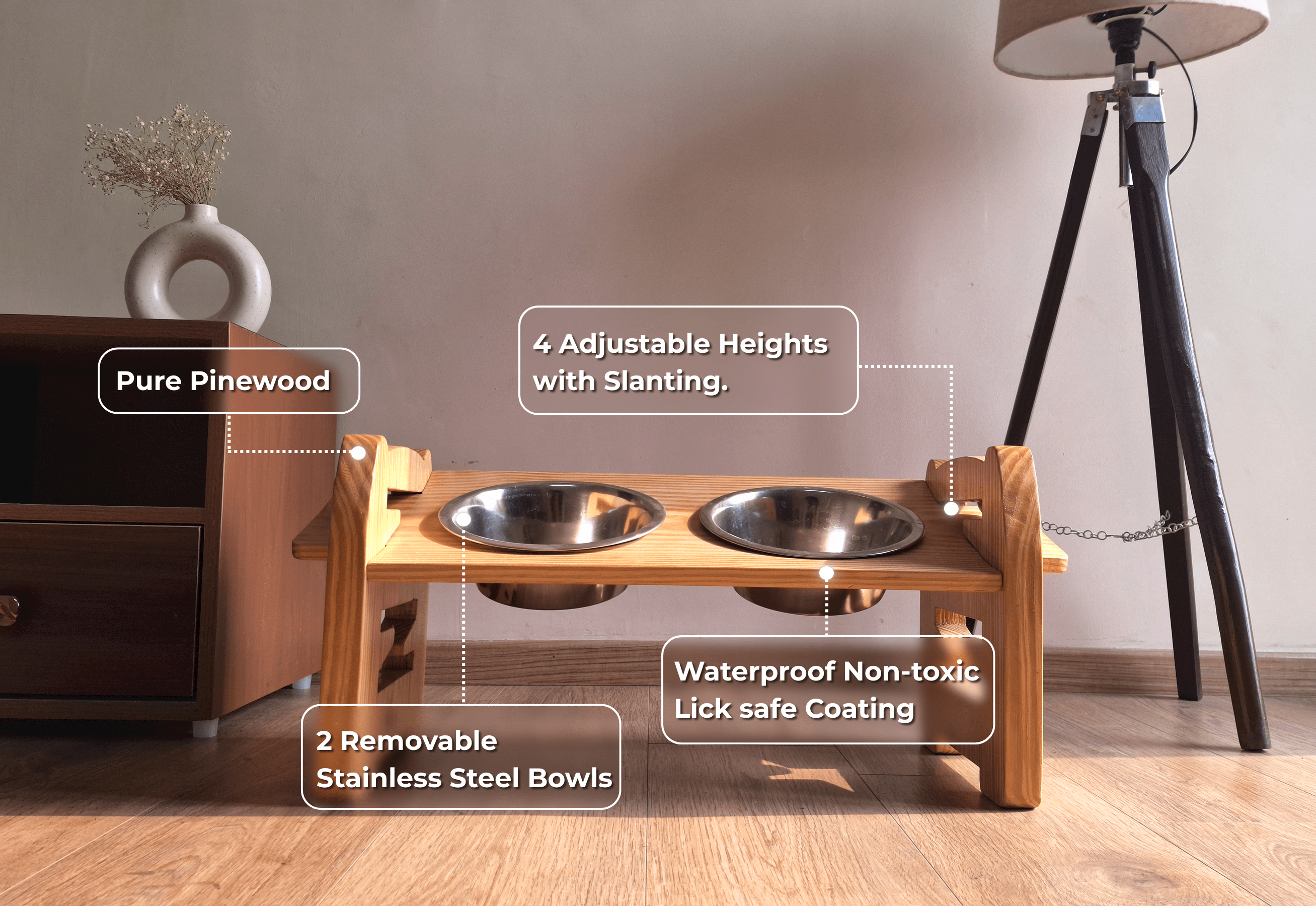
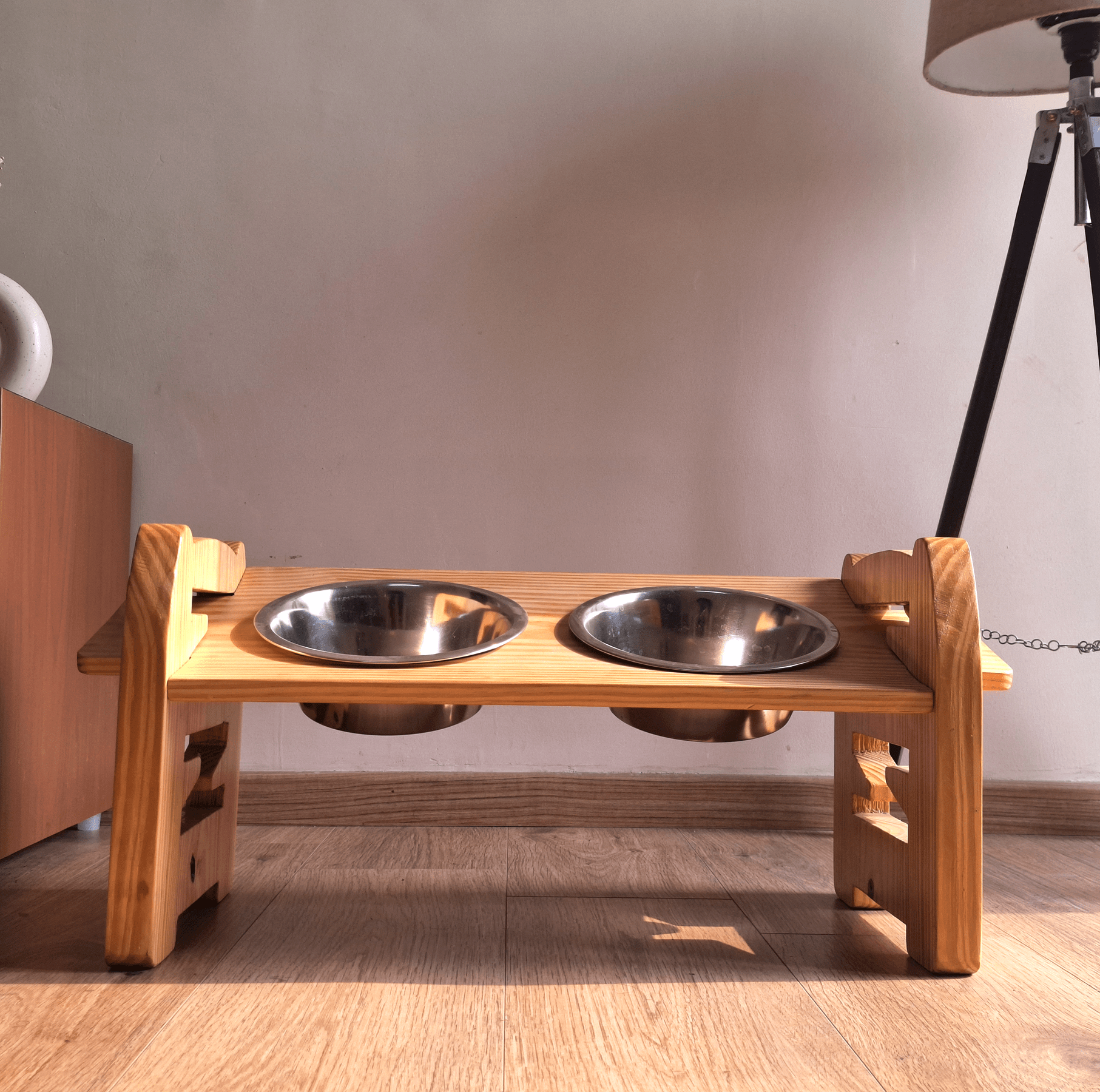
We make elevated food stands because many pet parents prefer them for convenience, stability and everyday usability—not because they're a medical product.
If future high-quality research changes our understanding, we'll happily update this article.
Our goal is simply to share the best information available today.
Final thoughts
The internet often turns complex research into simple headlines.
The truth is usually more nuanced.
The famous GDV study raised an important question, but it didn't settle the debate forever.
If your dog is healthy, an elevated feeder isn't something to fear.
If your dog belongs to a breed already known to have a higher risk of GDV, the conversation should be much broader than just bowl height.
As always, if you're unsure about what's best for your dog, your veterinarian is the right person to guide you.




Share:
My German Shepherd Keeps Sleeping On The Floor. Is That Normal?
Should Dogs Eat From The Floor Or An Elevated Bowl? Pros, Cons & What We Recommend