When we started manufacturing pet furniture, one question kept coming up from pet parents:
"Should I buy a metal dog bed or a wooden one?"
It's a fair question.
Both materials have their advantages, both can last for years if made well, and both are used by premium pet brands across the world.
The answer isn't as simple as saying one is better than the other.
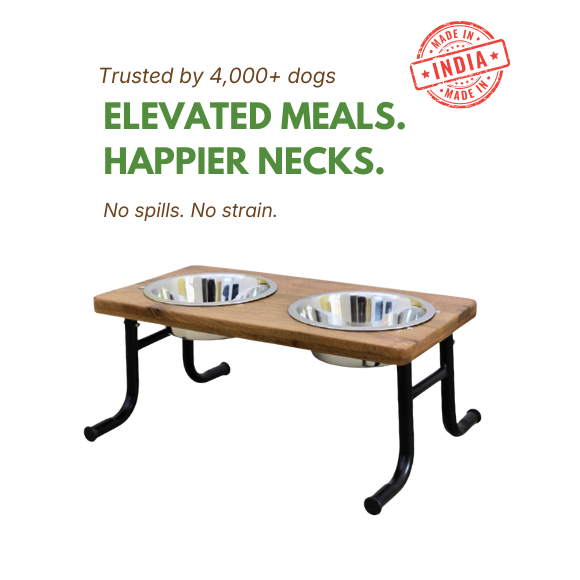
Interestingly, while our elevated dog beds use powder-coated steel, we also manufacture wooden tabletop feeders ourselves. So this isn't a case of us believing one material is good and the other is bad.
They simply serve different purposes.
Over the past year, after manufacturing, testing, redesigning products and speaking to thousands of pet parents across India, here's what we've learned.
The Material Alone Doesn't Decide Quality
One of the biggest misconceptions is that simply choosing wood or metal automatically guarantees a better product.
It doesn't.
A poorly manufactured metal dog bed can bend, rust or become unstable over time.
Similarly, a poorly built wooden bed can crack, wobble or start showing wear much sooner than expected.
In our experience, how a product is manufactured matters far more than what it's made from.
Things like:
- Quality of welding
- Surface finishing
- Powder coating
- Frame thickness
- Fasteners
- Fabric quality
- Design engineering
often determine how long a dog bed actually lasts.
Why We Chose Powder-Coated Steel For Our Elevated Beds
This decision wasn't random.
One of our founders, Rachit, comes from Meerut, where his family has decades of experience in powder coating and metal fabrication for automotive accessories.
Naturally, when we started CanineJoy Gears, manufacturing with metal was something we already understood well.
But experience alone wasn't enough.
We still explored different materials before finalising our designs.
Eventually, powder-coated steel made the most sense for elevated dog beds because they're expected to handle years of jumping, scratching, dragging, daily use and sometimes even outdoor conditions.
That's very different from a regular piece of furniture.
Why We Don't Think Wood Is A Bad Choice Either
Wood has its own strengths.
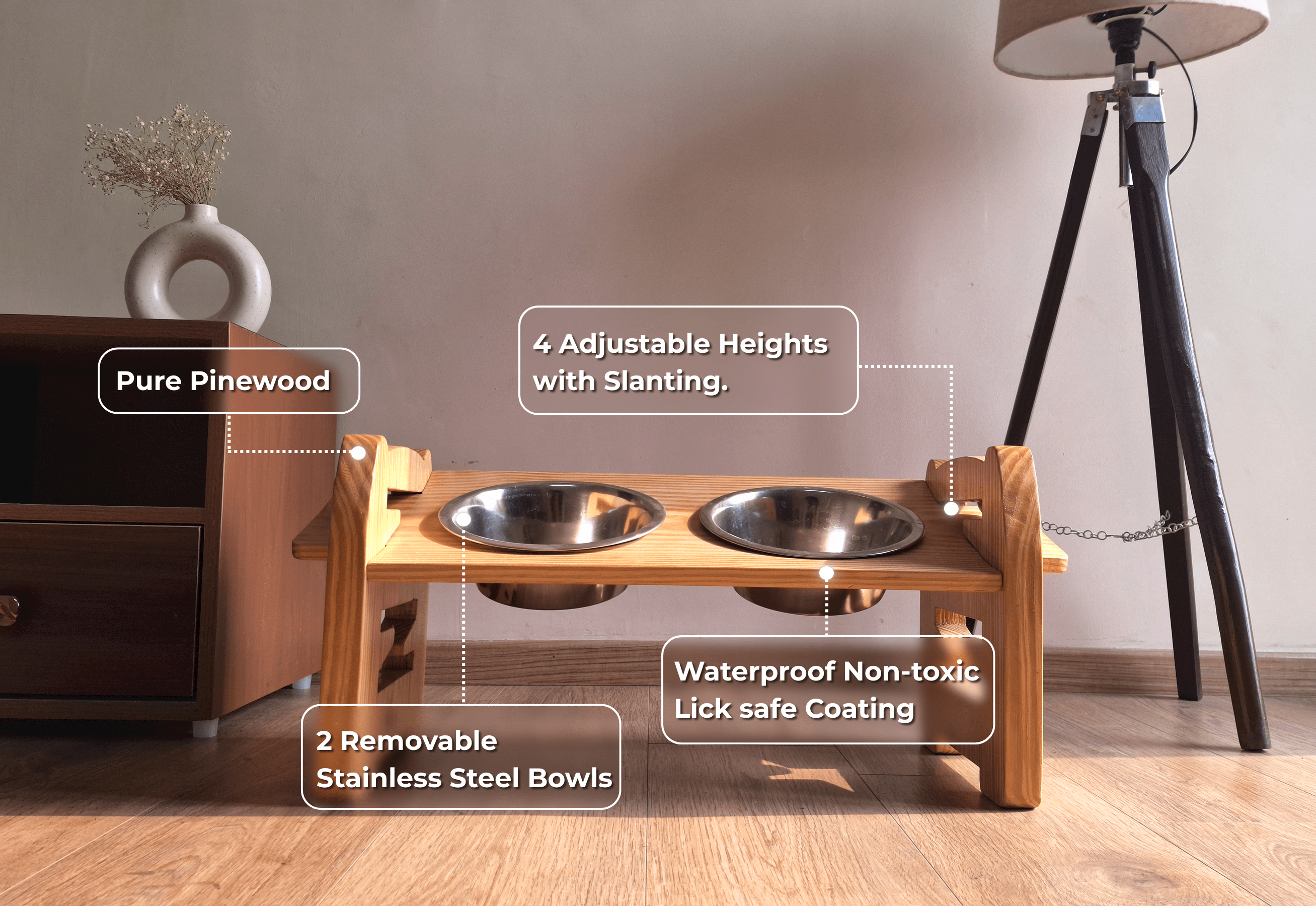
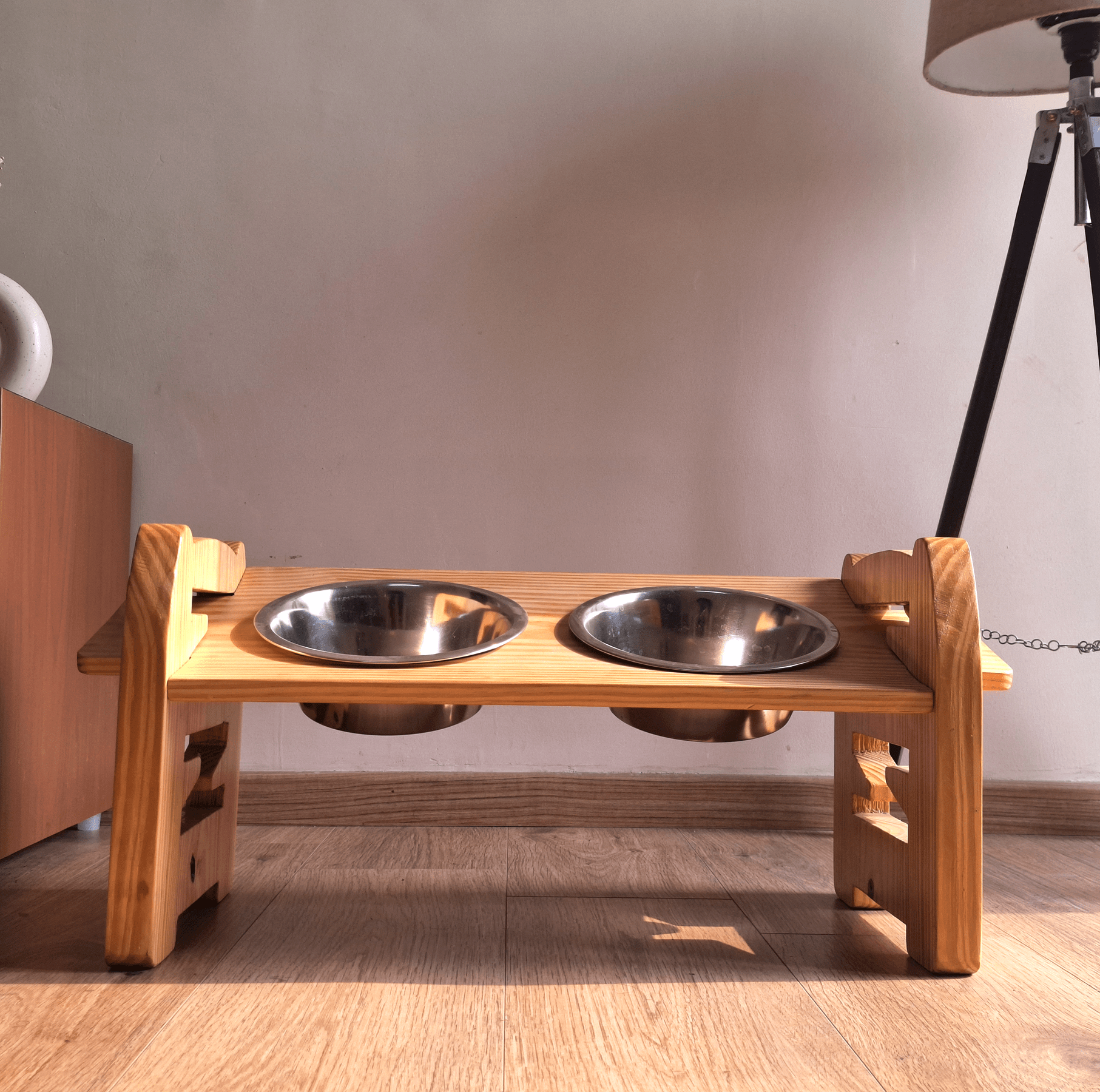
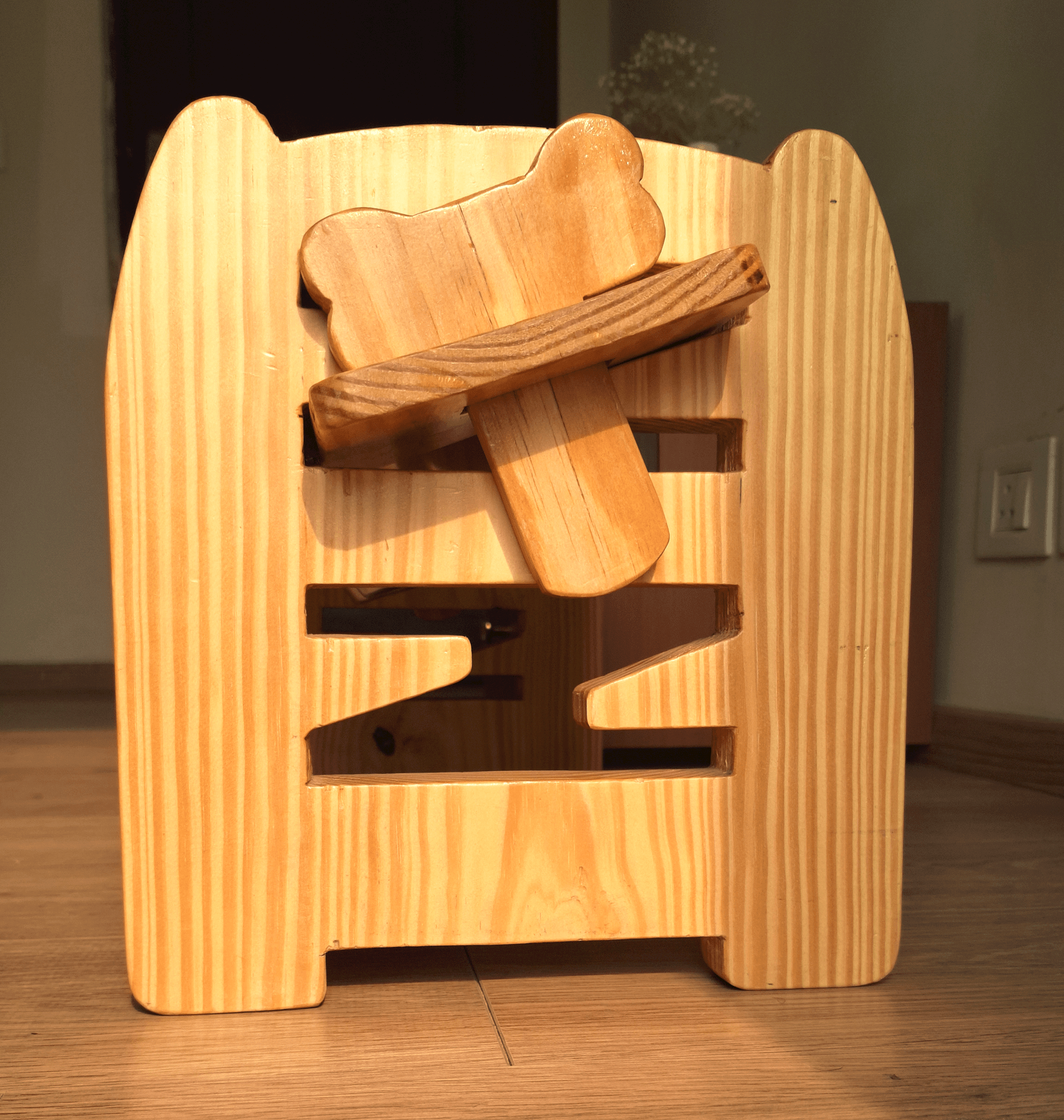
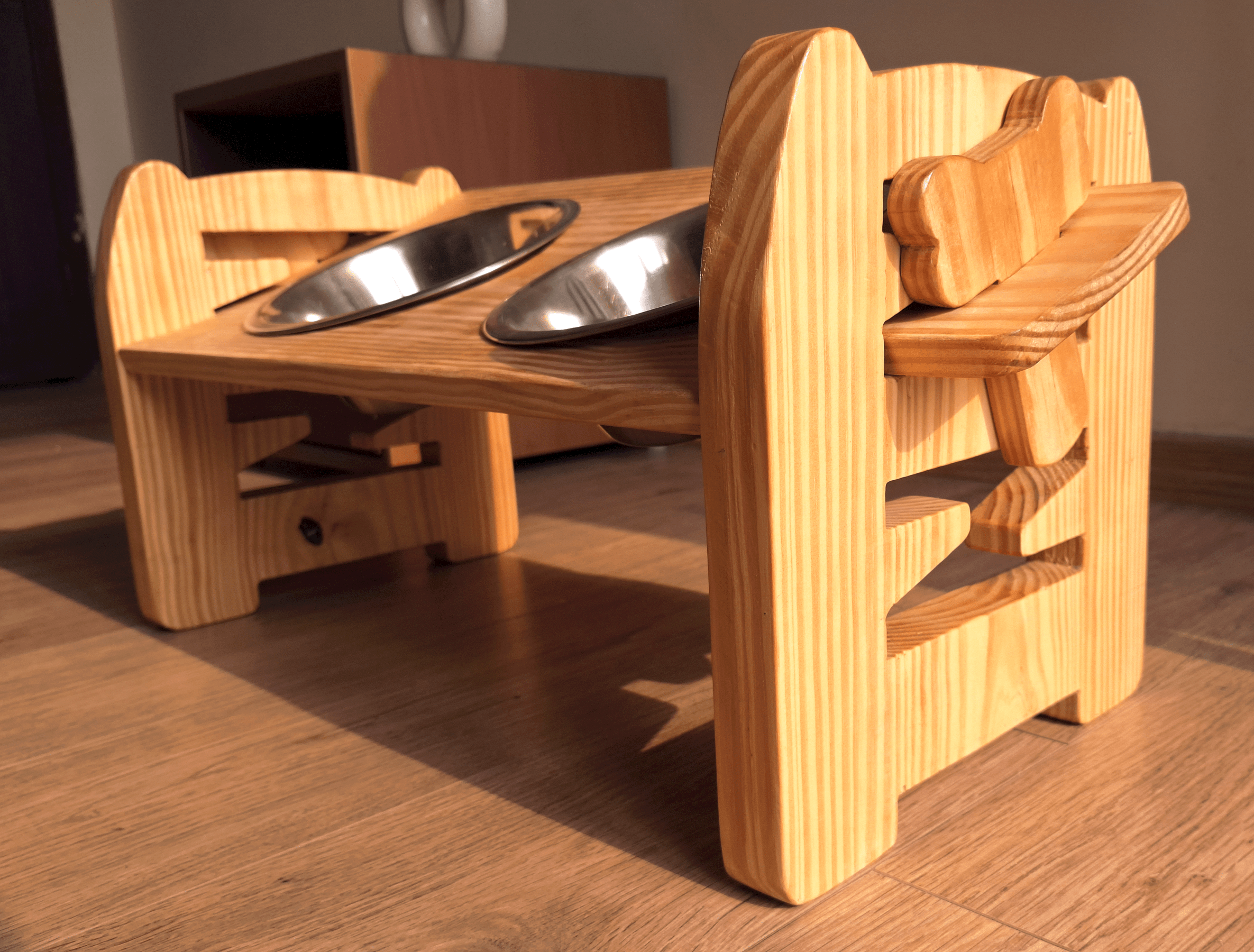
In fact, we manufacture our own wooden tabletop feeders because we genuinely believe wood works beautifully for that application.
It looks premium, blends naturally with home interiors and adds warmth to the design.
If your primary goal is aesthetics, a well-made wooden dog bed can look fantastic inside your home.
The important part is buying one that's manufactured well.
Metal vs Wooden Dog Beds: Side-by-Side Comparison
| Feature | Metal Dog Beds | Wooden Dog Beds |
|---|---|---|
| Durability | Excellent | Excellent if made well |
| Cleaning | Very easy | Easy, but requires a little more care |
| Moisture Resistance | Excellent | Depends on finish |
| Outdoor Use | Better suited | Needs more maintenance |
| Weight Capacity | Excellent | Depends on construction |
| Maintenance | Minimal | Occasional polishing or refinishing |
| Modern Appearance | ✔ | ✔ |
| Premium Furniture Look | Good | Excellent |
As you can see, neither material "wins" every category.
It depends on what's important to you.
What About Ticks?
This is another question we receive surprisingly often.
The truth is, ticks don't choose wood or metal.
They look for places where they can hide.
That means:
- cracks
- crevices
- unfinished surfaces
- thick fabric folds
- hidden corners
A smooth powder-coated metal frame generally has fewer places for dirt and debris to accumulate, making it easier to clean.
Similarly, a well-finished wooden bed is perfectly hygienic too, although damaged or unfinished wood may require slightly more attention over time.
Good cleaning habits matter far more than the material itself.
Living In India Changes Things
One factor that's easy to overlook is our climate.
Large parts of India experience:
- high humidity
- long summers
- monsoon rains
- muddy paws
- frequent cleaning
Under these conditions, a powder-coated metal frame is generally easier to maintain.
It dries quickly after cleaning and doesn't absorb moisture.
Wood, especially if not properly finished or maintained, may require more care over the years.
That doesn't make wood unsuitable.
It's simply something worth considering based on where your dog spends most of their time.
What We Learned While Building Our Own Products
One thing people rarely see is what happens before a product is launched.
Our elevated beds didn't become what they are today overnight.
We went through multiple design iterations.
We changed:
- stopper designs
- fabric cutting patterns
- Velcro placement
- frame dimensions
- packaging
- fabrics themselves
Sometimes products arrived with damaged packaging.
Sometimes a fabric we liked didn't perform well enough.
Sometimes small improvements made a huge difference to stability.
Every change taught us something.
Those lessons are why we always say manufacturing experience matters just as much as material choice.
Testing Matters More Than Marketing
Whenever we mention a weight capacity, we prefer to stay conservative.
For example, if we say a particular bed comfortably supports 75 kg, we've tested it well beyond that during development.
We've literally had multiple adults stand on prototypes together to understand their limits.
Could we advertise those extreme numbers?
Probably.
But we'd rather make realistic claims than exaggerated ones.
That philosophy extends to every product we manufacture.
Cheap Doesn't Always Mean Affordable
There was one conversation during our early days that has stayed with us.
A manufacturer once told us:
"Indians don't care about quality. They only want cheap products."
We couldn't disagree more.
We believe Indian pet parents absolutely care about quality.
What they don't want is paying premium prices for products that need replacing every few months.
Think about it.
If you buy an ₹800 product and replace it every two or three months because it bends, tears or wears out, you've already spent far more than buying a quality product once.
Is it really cheaper?
That question became one of the biggest reasons behind CanineJoy Gears.
Our goal has never been to build the cheapest products.
It's been to build products that provide the best value over their lifetime.
A Lesson We Learned From Our Customers
We've occasionally heard comments like:
"I think I could get this made locally for much cheaper."
Some customers actually tried.
They bought the raw material, approached local welders, got powder coating done separately and sourced fabric on their own.
Many later told us they were surprised by how quickly costs added up.
By the time everything was finished, they'd often spent more than our product—and still didn't get the same finish or consistency.
Manufacturing isn't just about raw material.
It's about design, precision, quality control, finishing and experience.
So Which One Should You Buy?
A wooden dog bed may be the better choice if:
- You want it to blend beautifully with your home furniture.
- It will stay indoors all the time.
- Appearance is your biggest priority.
A metal dog bed may be a better fit if:
- You want something that's easy to clean.
- You live in a humid area.
- Your dog is active or a large breed.
- The bed may occasionally be used outdoors.
- Long-term durability matters more than aesthetics.
Neither option is wrong.
It simply depends on your priorities.
Questions We'd Ask Before Buying Any Dog Bed
Instead of asking whether it's made from wood or metal, we'd ask:
- Is the frame built to last?
- Has the company actually tested the product?
- Is the finish durable?
- Is the fabric replaceable?
- Is there a warranty?
- Does the company manufacture the product or simply import it?
- Will spare parts or replacement fabric be available in the future?
Those answers usually tell you much more about a product than the material alone ever will.
Final Thoughts
At the end of the day, your dog doesn't care whether the frame underneath is made from wood or metal.
They care about comfort.
As pet parents, we care about comfort too—but we also think about durability, hygiene, maintenance and how long a product will continue serving our dogs.
Whether you choose wood or metal, choose something that's thoughtfully designed, honestly tested and built to last.
Because the best dog bed isn't necessarily the cheapest one or the most expensive one.
It's the one that keeps your dog comfortable for years without making you buy it all over again.






Share:
Why Elevated Dog Beds Are Better Than Thick Cushion Beds in Indian Homes